
Scotland’s licensed hospitality sector has welcomed a late increase in business rates relief after Shona Robison, Cabinet Secretary for Finance and Local Government, agreed a £300 million budget deal with the Scottish Liberal Democrats during Stage 1 of the Budget (Scotland) Bill at Holyrood. Under the agreement, rates relief for eligible licensed hospitality and music venues will rise from 15% to 40% for the next three years, subject to a £110,000 cap per business.
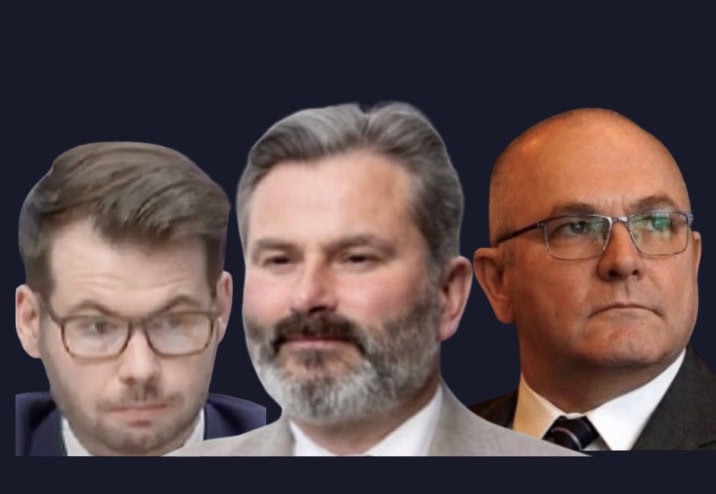
Trade bodies moved quickly to welcome the uplift, while warning that it will not fully offset the impact of significant increases in rateable values following revaluation. Leon Thompson, executive director of UKHospitality Scotland, said, “This increased relief is positive news and will help soften the blow for many licensed hospitality businesses. UKHospitality Scotland has been clear that urgent support was needed for the sector, and it is clear the Scottish Government has acted as a result of our engagement. This is a good example of how the Scottish Parliament can make a positive difference to businesses, when political parties work together.”
However, he added, “The sheer scale of rateable value increases has driven rate bill hikes to such an extent that business rates bills will still increase for the vast majority. This is particularly true for businesses in the higher property rate, which have not been included in relief. The need for this urgent support is yet another demonstration that the business rates system is completely broken and in need of serious reform. Fixing the system has to be a priority for the next Scottish Government.”
The Scottish Beer & Pub Association also welcomed the announcement. Paul Togneri said, “This increase in business rates support is a welcome boost for Scotland’s pubs and will provide some much-needed breathing space at a time when many venues are under real strain. The confirmation that it will also be for three years gives the sector some confidence moving forward. However, it’s important to recognise that the retained state aid cap means many pubs will still be unable to fully benefit from today’s announcement.
“Longer-term, reserved issues also remain a concern. Pubs are still being hit by sky-high energy costs, a punishing VAT burden, and some of the highest beer duty rates in Europe. Similarly, there must be a permanent solution to the unfair rates burden and not just year-on-year reliefs. These pressures continue to hold back investment, growth, and the ability to keep prices affordable for customers.”
The Scottish Hospitality Group described the deal as limited progress and renewed calls for all rates increases to be halted while an independent review of valuation methodology is undertaken. Stephen Montgomery said, “We appreciate Lib Dem Jamie Greene negotiating some further limited reliefs for licensed hospitality, however, we believe the only way to avoid an economic catastrophe is to halt any rates increases whilst the methodology review is underway.
“Inflation busting rate rises will still hammer licensed hospitality in Scotland, especially for larger businesses. Many of these businesses employ dozens — sometimes hundreds — of staff, support local supply chains and generate significant tax revenues. Yet they have again been left out of any sort of meaningful relief yet again.
“The reality is that you do not need to be a large venue to have a rateable value of over £100,000. Many single venues fall into that category without being ‘large’ operators. So, we must therefore ask why are they being penalised? Do they not matter too, or are they simply expected to absorb yet another financial blow without support?”
Announcing the measures in Parliament, Ms Robison said the Scottish Government would provide an additional 25% relief for licensed hospitality and music venues — including pubs, restaurants, hotels, nightclubs and licensed clubs — on top of the existing 15% retail, hospitality and leisure relief announced in last month’s draft budget.
Officials estimate the additional support will provide around £9 million in 2026-27, with the combined measures delivering approximately £40 million in extra relief over the next three years. She told MSPs, “We also have to make sure that our hospitality sector, which can be the life and blood of many towns and villages across Scotland, is able to continue. And given all the headwinds that they have had from the employers’ national insurance contributions, the hike in VAT that has put the cost of all the produce up and up, we believe that this is an appropriate package. And taken together, we estimate that these measures will provide around £40m in additional relief over the next three years, demonstrating our commitment to supporting business.” She also confirmed the introduction of a specific revaluation transitional relief for the self-catering sector.
The Lib Dems said the overall non-domestic rates relief secured in negotiations was worth £178 million. MSP Jamie Greene said, “The £178m [non domestic rates] relief package that we did get is far more than what I got when I started this negotiation. The main difference between the approach that I have taken and the approach of others in this chamber is simple. I did not walk away from this game with nothing. This budget was always going to pass. The question is, for opposition members, what did you get out of it? I got £300m.”
Opposition parties were critical of the wider budget. Scottish Conservative MSP Craig Hoy said, “This budget does not add up. It does not add up for Scottish taxpayers, with more people dragged into ever higher tax under the SNP. It does not add up for Scottish councillors, who are now considering brutal cuts and blistering increases in council tax, despite the discovery of an additional £20m today for social care. It does not add up for Scotland’s NHS… and it certainly does not add up for Scotland’s pubs and shops, which despite today’s U-turn on reliefs still face crippling increases in business tax.” Scottish Labour MSP Michael Marra warned that an emergency budget later in the year was “a racing certainty”, citing concerns from fiscal experts. The Scottish Greens abstained at Stage 1 but signalled they remain open to further negotiations ahead of Stage 3, with MSP Ross Greer saying further change was still possible despite pressure on Scotland’s public finances.
The Budget passed Stage 1 by 65 votes to 30, with 24 MSPs abstaining. While the uplift to 40% relief has been widely welcomed as a hard-won gain for smaller and mid-sized licensed venues, many in the sector remain clear that without long-term reform of Scotland’s non-domestic rates system and action on wider cost pressures, significant financial strain will continue.